RESEARCH & PROJECTS

PROJECTS

Our team applies computational modelling and simulations to tackle complex biological and infectious systems. By combining mathematical approaches with real-world data, we generate insights that inform research, guide public health interventions, and advance understanding in multiple domains of biology and medicine.
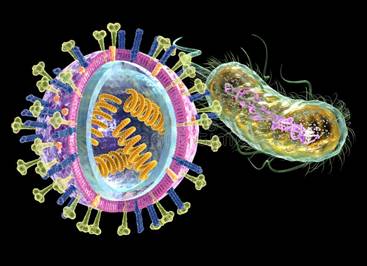
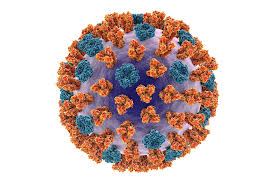
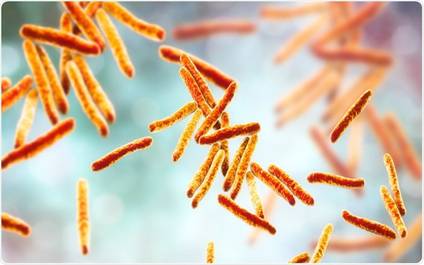
This study develops a deterministic mathematical model of diphtheria transmission incorporating co-infection dynamics to observe how the diphtheria bacterium spreads along with other diseases in society. …
Details: This study develops a mathematical model for influenza types A, B, C, and D. The model uses compartmental dynamics to represent the transmission and progression of each influenza type. It aims …
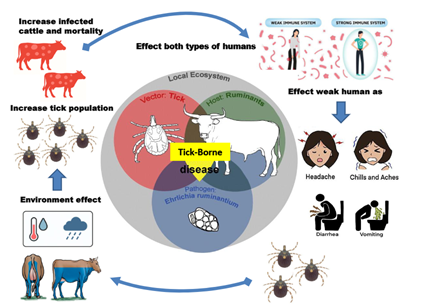
Detailed: This study develops an integrated deterministic compartmental model that captures the transmission dynamics of tick-borne pathogens from infected cattle to vector ticks. The model extends to include human populations under varying …
Detailed: This study develops a mathematical model to understand the zoonotic transmission dynamics of bovine tuberculosis (bTB) between animals and humans. The model categorizes populations into susceptible, exposed (to animal and human …
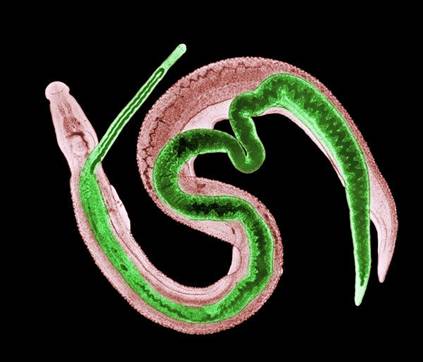
Detailed: This study develops a mathematical model to analyze the transmission dynamics of snails, particularly in relation to diseases they vector. The model examines snail population dynamics and their role in spreading …
Details: In this study, we are working on mathematical modeling and simulation of neurological processes and brain disorders. …
Detailed: This study models diabetes by focusing on glucose–insulin regulation mechanisms. It captures how the body increase and controls blood sugar levels over time. The model also represents the progression of the …
There are no ongoing projects at the moment.
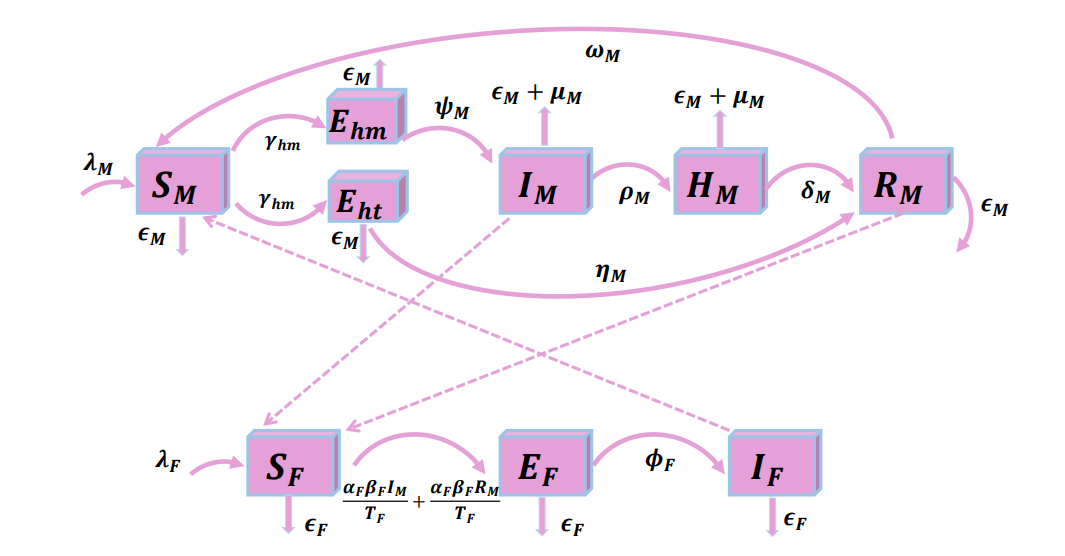
This project develops a comprehensive spatiotemporal mathematical model to study the transmission dynamics of malaria, one of the most critical vector-borne diseases worldwide. The model introduces an innovative distinction between homogeneous and …
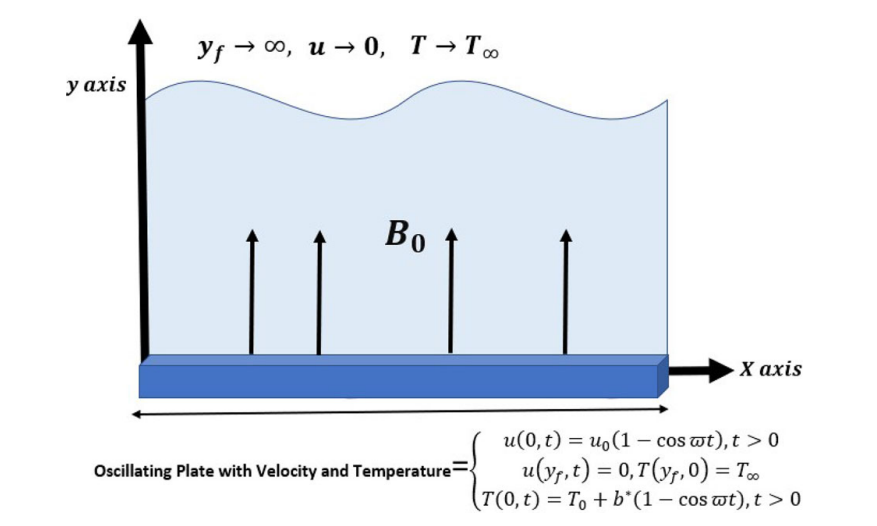
This project presents a new mathematical definition of the Caputo fractional derivative designed specifically for the finite difference method. The study models a nonlinear fractional Maxwell fluid flowing along a vertical plate …
This study develops a mathematical model to analyze the transmission of alcohol consumption within society. It examines how drinking behaviors spread among individuals. The model aims to understand the factors influencing alcohol …
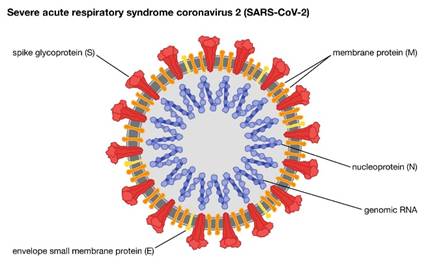
Details: This study develops a mathematical model of COVID-19 dynamics. It incorporates the effects of vaccination on disease spread. The model is used to evaluate how vaccines help control COVID-19 transmission. Results …
Detailed: This study develops a mathematical model of HIV infection dynamics. It explores how the virus interacts with the human immune system. The research aims to understand immune responses to HIV. Insights …